



Photo: Tamanna Rumee via Unsplash
How to Spot a Fake Discount: The Original-Price Trick Retailers Use
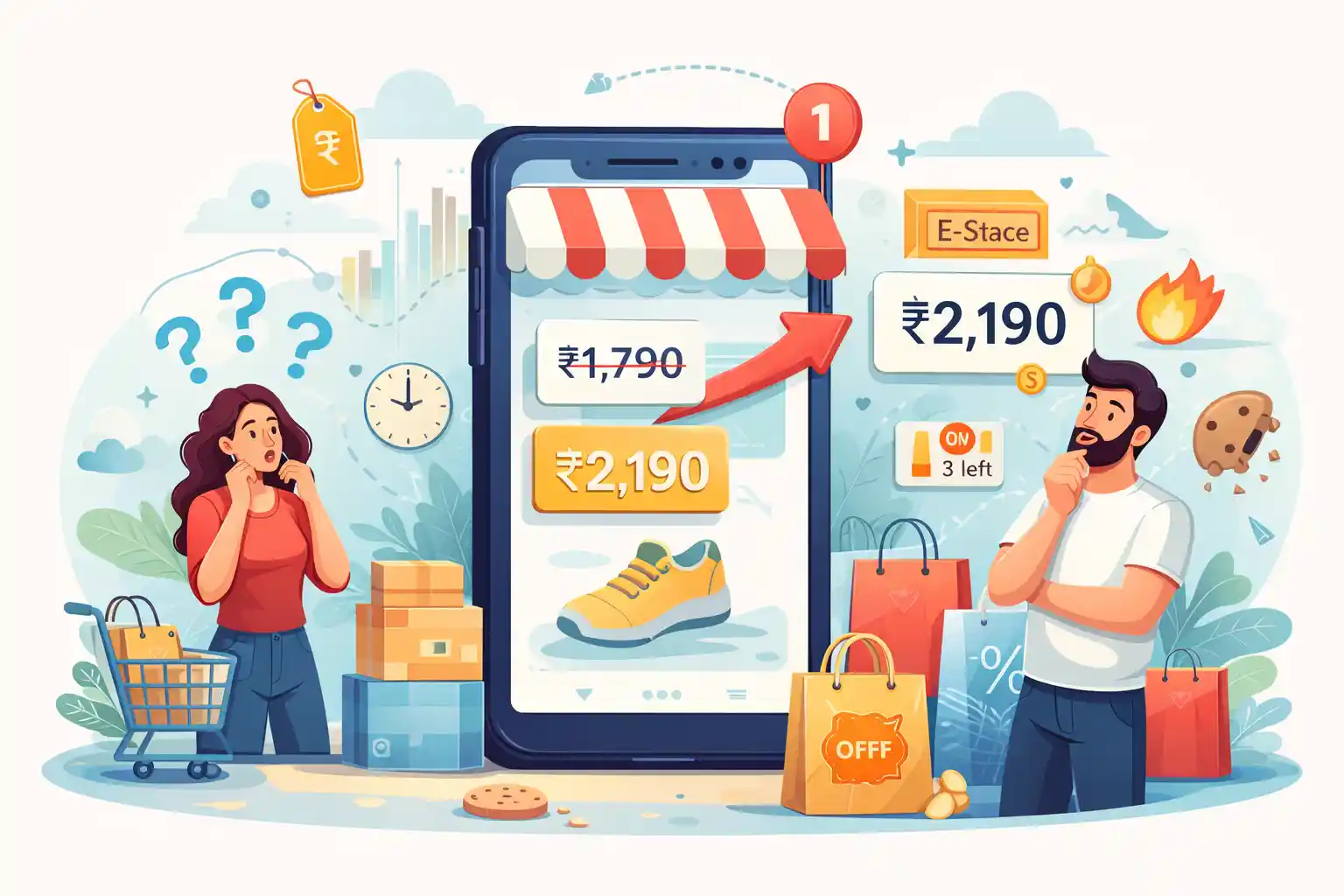
"70% off!" means very little if the "original" price was never actually charged to real customers. Inflating a reference price before marking it down is one of the oldest tricks in retail, and it's still common enough that checking the real price history takes less time than most shoppers assume.
The "Reference Price" Trick
A discount is only as real as the number it's measured against. Some retailers list a "compare at" or "original" price that the item was never actually sold at for any meaningful stretch of time — sometimes it's simply the manufacturer's suggested price, sometimes it's a number set specifically to make the sale price look more dramatic.
How It's (Sometimes) Legal
Rules vary by region, but many places only require that an item was offered at the "original" price for some minimum period before a markdown — not that it actually sold at that price. That's a real gap: a retailer can technically comply while still presenting a discount that's mostly manufactured.
Simple Ways to Check the Real Price
- Price-history browser extensions — several free tools chart a product's actual price over recent months directly on the product page.
- Search the product name plus "price history" — third-party trackers often have the data already compiled.
- Compare the "sale" price against other retailers — if three other stores sell the same item at the "discounted" price year-round, the discount is presentation, not savings.
- Watch the same item across a few weeks — if the "limited time" price never actually changes, that's your answer.
Red Flags to Watch For
- Round, suspiciously large discount percentages (70%, 80%) on items that rarely see markdowns that steep.
- A "sale" that's been running for months with no end date in sight.
- An original price with no price-match or price-history data anywhere else online.
A Real Example
An item listed at "$40, was $130 — 69% off" sounds significant. A quick price-history check showing the item has sold between $35–$45 for the past six months tells a very different story — the $130 figure was never a real transaction price, just a number chosen to make $40 look exceptional. Checking verified current deals alongside a price-history check is the most reliable way to confirm a discount is real.
Frequently Asked Questions About Discount Pricing
- Is inflating an "original" price illegal? Rules vary by region — some require the item was actually offered at that price for a set period, which doesn't guarantee it ever sold.
- Do all retailers do this? No — many run genuine, verifiable markdowns. The trick is knowing how to tell the difference.
- Is a smaller discount percentage sometimes the better deal? Often, yes — a real 15% off a fair price beats a fake 70% off an inflated one.
Conclusion: Check the History, Not the Percentage
A big discount percentage is only meaningful if the starting price was real. A minute spent checking price history turns a flashy "% off" banner into an actual answer about whether today is a good time to buy.